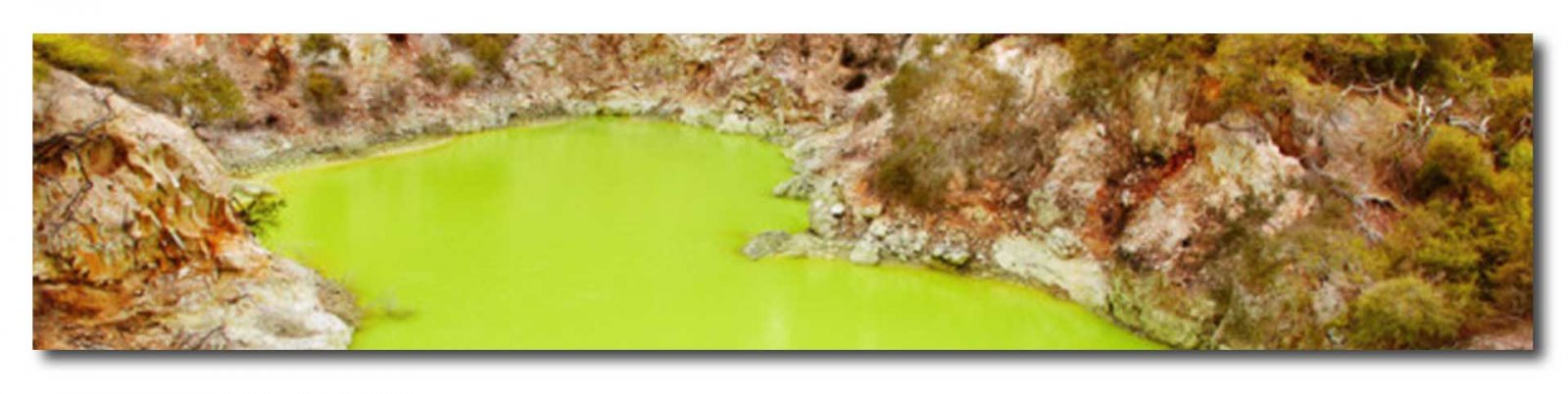
Main pollutants in water around the world

Nickel
The main source of nickel in drinking water is nickel contamination of brass fittings used in drinking water installations. This compound can cause numerous side effects, which are worth knowing.
The highest acceptable concentration of Nickel is 20 ug/l, which places it in the group of the most toxic metals.
Although nickel deficiency has adverse effects on the body, it is usually excluded by a varied diet. Excess nickel, however, is more dangerous. It can cause damage to mucous membranes and changes in chromosomes and marrow or even the development of cancer cells. The most common side effect of excess nickel is contact or food allergy.
Copper
Copper can easily enter household water through copper pipes.
Some health effects of excessive copper consumption are nausea, vomiting, diarrhoea, stomach upset and headaches. Prolonged exposure can cause some more serious health problems, such as liver damage, kidney disease or even death.
The presence of copper in water can cause harm, even if you don't drink it. This contaminant can build up in your fixtures and leave unsightly stains.

Chrome
Chromium is one of the elements that can be found in wastewater from a wide variety of industrial processes. Its toxicity depends on the oxidation state and concentration in which it is found, with the elimination of hexavalent chromium present in aqueous systems being of particular importance, due to its recognised carcinogenic nature.
Chromium (CR) is a naturally occurring element found in rocks, plants and soils, where it exists in combination with other elements to form various compounds. In industry, chromium and the compounds it forms have a wide variety of applications including, among others: tanning processes, textile pigments, alloys, catalysts, corrosive agents, batteries...
Chlorates and perchlorates
The presence of chlorates in food can come from various sources such as residues from chlorinated water used for washing plant products, from environmental sources, from the unauthorised use of chlorate-based herbicides.
Chlorates reversibly inhibit the uptake of iodide by the thyroid gland. In addition to affecting thyroid function. Chlorates can also cause damage to erythrocytes (red blood cells), such as haemolysis and methaemoglobin formation, the latter of which can manifest as an acute effect. The groups most sensitive to this contaminant would be children, pregnant women or people with thyroid dysfunction or iodine deficiency.

Aluminium
Water containing more than 0.2 mg of aluminium per litre should not be used as drinking water or for the preparation of beverages.
Most meat, fish, fruit and vegetables naturally contain traces of aluminium. Aluminium-containing antacids, food additives and antiperspirants are other sources of exposure.
Several researchers have recently reported cases where short-term exposure to elevated levels of aluminium in drinking water or dialysis fluid resulted in clinical diagnoses of dementia.
Lead
Lead is a toxic metal naturally occurring in the earth's crust. Its widespread use has led to significant environmental contamination in many parts of the world. A considerable level of human exposure and serious public health problems.
Young children are particularly vulnerable to the toxic effects of lead, which can have serious and permanent consequences on their health, affecting in particular the development of the brain and nervous system. Lead also causes lasting damage in adults, for example by increasing the risk of high blood pressure and serious injuries.
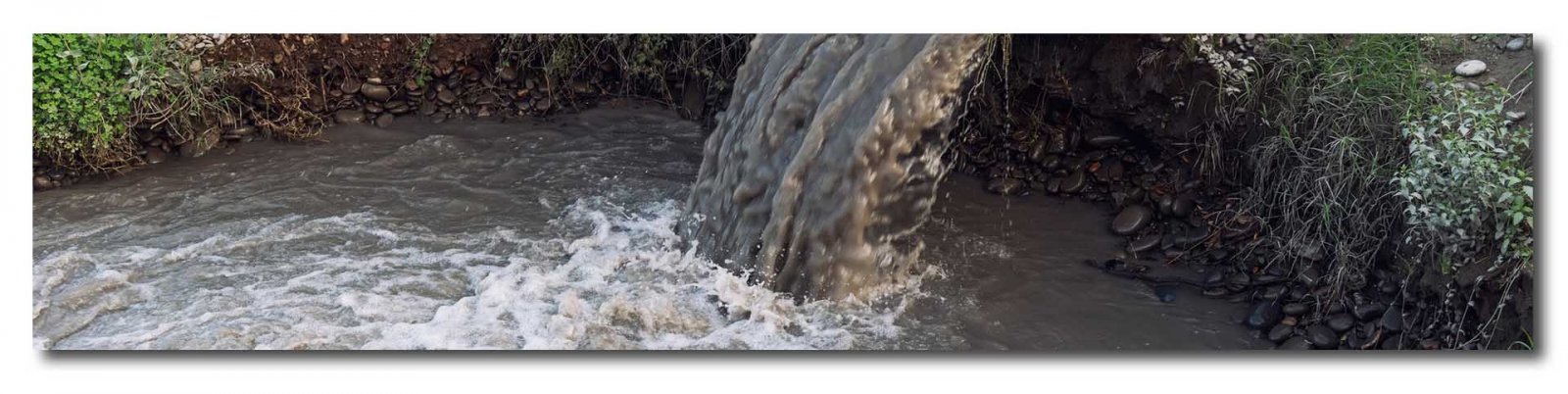
Arsenic
Arsenic occurs naturally at high levels in groundwater in several countries.
Arsenic is highly toxic in its inorganic form. Its greatest threat to public health lies in the use of contaminated water for drinking, food preparation and irrigation of food crops.
Prolonged exposure to arsenic through consumption of contaminated food and water can cause cancer and skin lesions. It has also been associated with developmental problems, cardiovascular disease, neurotoxicity and diabetes.
Mercury
Mercury is a naturally occurring element in air, water and soil. Exposure to mercury, even in small amounts, can cause serious health problems and is dangerous for intrauterine and early life development.
Mercury can be toxic to the nervous and immune systems, the digestive system, the skin and the lungs, kidneys and eyes.
For the WHO, mercury is one of ten chemicals or groups of chemicals that pose particular public health concerns.

Manganese
Naturally present in well, municipal or ground water, it has been found that drinking water with high levels of manganese can impair brain development in infants and young children, affecting memory, attention or motor problems.
Manganese is most easily absorbed into the body through drinking water. The main problem is that it can add some turbidity to the water, as well as change its taste. In addition, the most common problem occurs when clothes come into contact with water with manganese values higher than 0.15 mg/l, as it can cause brown stains on clothes.
Iron
Iron and manganese are common elements on the earth's surface. As water percolates through soil and rocks it can dissolve these minerals and carry them into the groundwater. In addition, iron pipes can corrode and dissolve this component within the residential water supply.
Iron can give water an undesirable taste, odour and colour. Iron causes reddish-brown stains on clothing, porcelain, dishes, utensils, glasses and dishwashers.
When someone drinks water with excessive amounts of iron, they may experience negative effects on their skin. Since minerals, such as iron and magnesium, damage healthy skin cells, people may experience the early appearance of wrinkles.